
Interior Design as Economic Infrastructure
For a long time, interior design was perceived as a mere finishing touch—a visual luxury tailored for high-end magazines. However, in modern economic thought, spatial design has evolved into a “strategic science” and a core driver of growth.
Flooring, lighting, color palettes, and spatial layout are not just decorative choices; they form an invisible infrastructure that shapes human behavior, defining the line between stagnation and economic prosperity.
We do not just design spaces; we design human behavior—and human behavior is the bedrock of the economy.
1. On the Individual Level
Spatial Fuel for Productivity and Innovation
Modern humans spend approximately 90% of their lives indoors. Consequently, the interior environment is the single largest factor influencing mental and physical well-being.
• Space Psychology
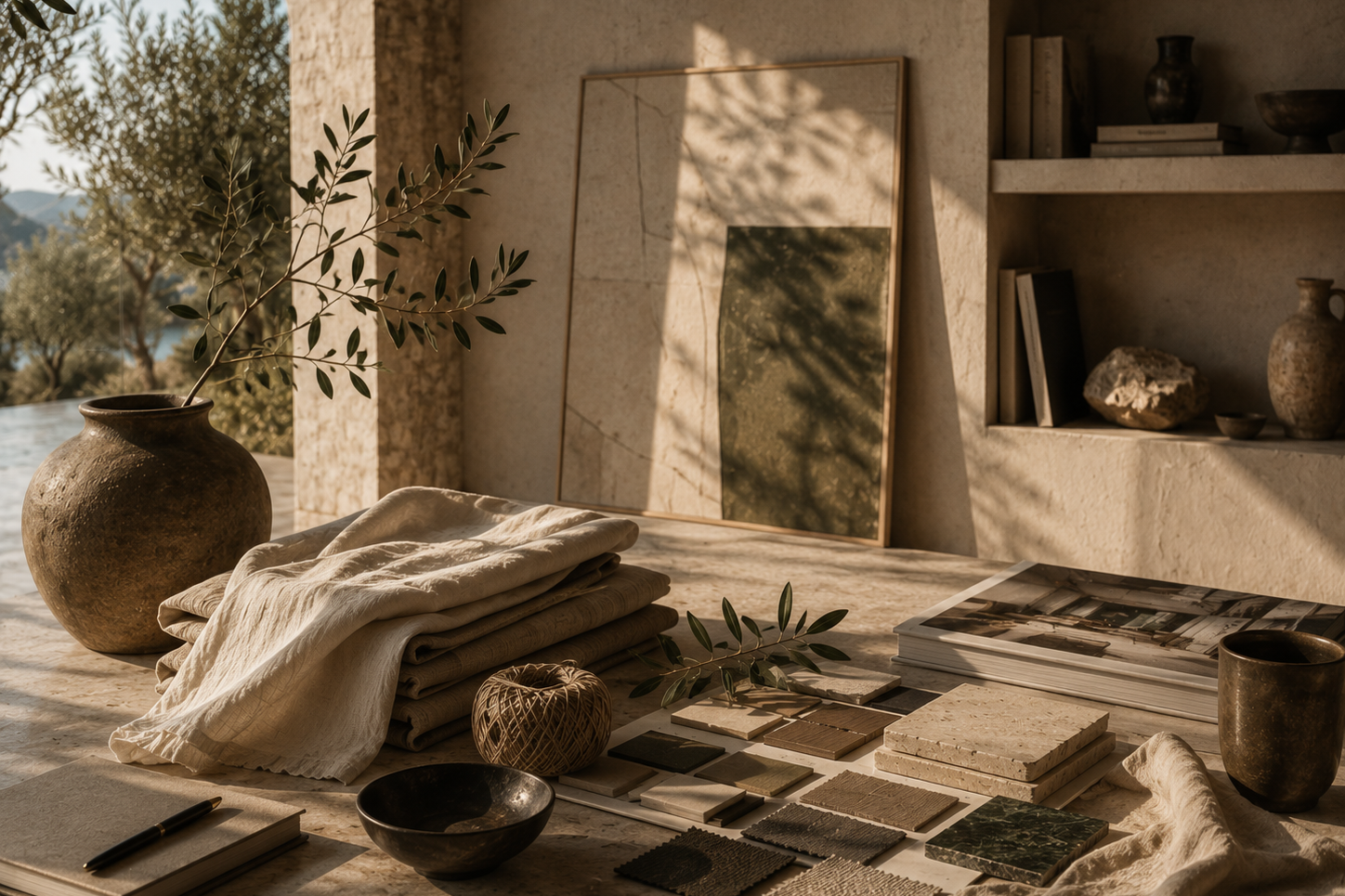
Spaces integrated with Biophilic Design principles—incorporating natural elements like plants, maximum daylight, and live materials like wood and linen—can reduce cortisol (stress hormone) levels by up to 15%.
• Personal ROI
An individual living and working in a smartly curated space characterized by visual calmness and aesthetic minimalism experiences higher focus and sharper cognitive performance.
This directly enhances their capacity for making sound financial and strategic decisions, accelerating personal economic growth.
2. On the Corporate Level
Spatial Capital and Profit Optimization
For enterprises, the workplace is no longer just a room full of desks; it is a vital tool for talent retention and profit maximization:
• Mitigating Burnout and Absenteeism
Workspaces engineered around “Corporate Wellness” significantly reduce sick leaves and employee turnover.
Optimized lighting and ergonomic fluid movement within offices have been shown to boost employee productivity by 12% to 20%.
• Design as an Investment Narrative
When walking into a corporate space designed with “quiet luxury” and structural integrity, the environment speaks volumes about the company’s financial solvency and strategic stability.
This instantly elevates market value and fosters immediate trust with investors and clients.
3. On the Societal and Macroeconomic Level
The Spatial Economy
How does spatial design accelerate national economic growth rates?
• Stimulating Local Manufacturing and Crafts
Championing sustainable designs that utilize indigenous materials (such as local natural stone, sustainable timber, and artisanal textiles) ignites a robust domestic economic cycle.
It empowers local craftsmen and reduces reliance on foreign imports.
• Real Estate and Tourism Economics
Properties, hotels, and commercial spaces with exceptional, innovative interior architecture become “Aesthetic Destinations” in their own right.
This premium design value dramatically appreciates real estate capital and attracts high-spending experiential tourism.
• Sustainability and Energy Cost Reduction
Intelligent interior layout factors in natural thermal insulation and strategic daylight harvesting.
On a macro scale, this heavily curates and minimizes national energy consumption, redirecting capital retention toward vital development projects.
A Strategic Outlook
Investing in the design of the interior environment is never a cosmetic expense; it is a “long-term capital investment.”
When governments and corporations fully realize that spatial design is an investment in human capital and cognitive health, interior architecture shifts from being merely an art form to becoming a cornerstone of national economic infrastructure and sustainable growth.