
Creative Investment: The Rise of Aesthetic Assets
For decades, traditional investment mindset in the Arab world has relied on a safe trinity: real estate, gold, and stocks. While this trio is brilliant at preserving wealth, it completely overlooks an asset class that does not just yield financial returns, but grants its owner priceless “existential dividends.” We are talking about Aesthetic Assets.
Creative investment is not a luxury. It is a sophisticated fusion of human emotion and financial logic—the art of transforming refined taste into a tool for value creation and material sustainability.
What Are Aesthetic Assets.. and Why Do They Matter Now?
An aesthetic asset is any tangible item that carries exceptional artistic, cultural, or craftsmanship value, characterized by scarcity and the ability to withstand the test of time.
This concept spans across:
• Fine Arts and Sculptures
Paintings by master artists or promising emerging talents.
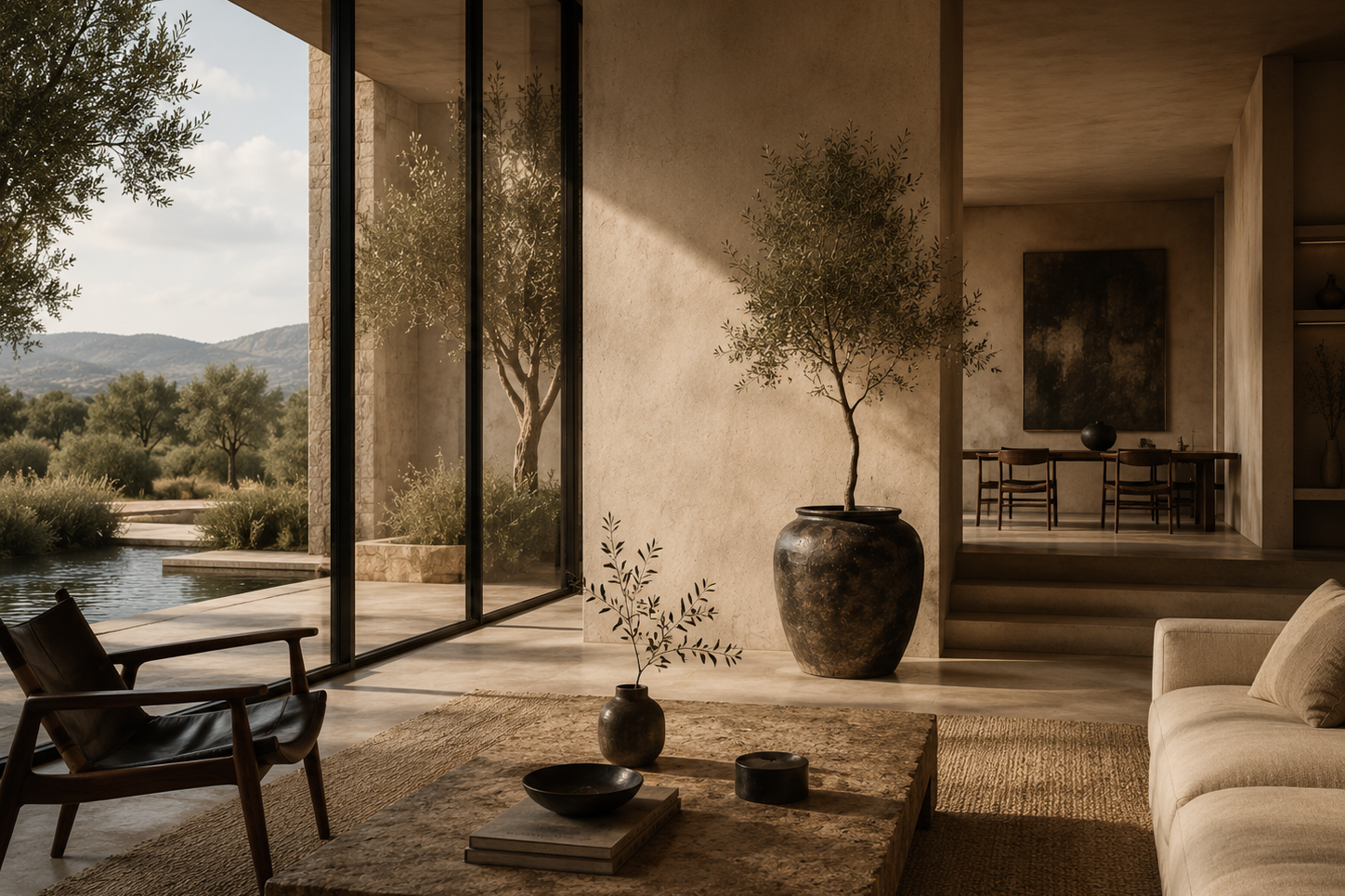
• Furniture and Interior Design
Vintage pieces or exclusive, handcrafted designs made from premium natural materials.
• Sustainable Luxury Fashion (Haute Couture)
Garments crafted with high artistry (such as premium natural linen or rare wool), high-end timepieces, and classic cars.
The significance of these assets lies in their “Inflation Immunity.”
Due to their scarcity and unique narrative, aesthetic assets do not lose value as currencies erode. Instead, they gain financial luster over time, in addition to the psychological and daily return they offer the investor through the sheer experience of living with beauty.
By the Numbers: Globally Expected Returns
In global markets, aesthetic assets are treated with the seriousness of sovereign investment funds.
According to global luxury indexes (like the Knight Frank Luxury Investment Index):
- Average annual returns for certain aesthetic assets (such as luxury watches or contemporary art) range between 8% to 14%.
- Select furniture pieces designed by Mid-Century Modern pioneers have seen their value appreciate by over 300% over the past decade.
- This asset class features a “Low Correlation” with traditional financial markets. In times of economic crises, luxury aesthetic assets often hold their value or achieve historical peaks.
The Big Gap: Why Is This Concept Missing in the Arab World?
Despite the Arab region possessing one of the richest cultural and visual heritages globally, the aesthetic investment market suffers from severe underdevelopment due to several factors:
1. The “Concrete is King” Mindset
The dominance of a traditional commercial mentality that views safety only in brick and mortar, classifying art and beauty as “consumptive luxury” rather than a strategic investment.
2. Lack of a Structured Ecosystem
Arab markets lack a robust local network of structured auction houses, certified appraisers, and specialized art and lifestyle investment funds.
3. The Dominance of Fast Fashion and Instant Consumption
Capital heavily floods fast-profit, low-quality commercial projects instead of investing in Arab luxury brands that craft premium, sustainable products meant to last for generations.
The Roadmap: How to Revive and Capitalize on Aesthetic Assets
Reviving this sector in the Arab world requires shifting from a “consumer” mindset to that of a “patron and strategist”:
• Establishing Creative Venture Studios
We urgently need entities that adopt emerging brands in haute couture, high-end decor, and premium crafts, providing them with the financial and strategic backing to transform into globally valuable assets.
• Turning Heritage Crafts into “Sustainable Luxury”
The Arab world is home to artisans with rare, ancestral skills (in carpets, weaving, woodwork, and leather). By merging these crafts with modern, minimalist design, we can create furniture and apparel that sell as appreciating aesthetic assets.
• Aesthetic Education and Awareness
Nurturing a new generation of young investors who understand that buying a painting by an emerging Arab artist, or acquiring a meticulously handcrafted piece of furniture, is a financial decision just as smart as buying shares in a tech company.
Final Thought
The future of investment may not belong solely to those who own more, but to those who recognize what deserves to endure.
Aesthetic assets are not merely objects of beauty. They are cultural capital, emotional infrastructure, and a long-term expression of refined value.